Thursday, March 26, 2026

Reshoring Precision Manufacturing: It's Not Just About Politics, It's About Algorithms and Automation

SYM Machining Services

When we talk about manufacturing coming back to the United States and Europe, most people think it's all about politics. They imagine trade wars, tariffs, and government speeches about economic independence.

But if you visit a modern precision machine shop today, you'll see something surprising. The real story of reshoring isn't happening in government offices. It's happening on factory floors, inside computer systems, and through the quiet hum of automated machines running overnight with no humans in sight.

The truth is simple: precision manufacturing is returning not because of politics, but because technology has changed the math completely.

The Old Way of Thinking About Manufacturing

For thirty years, the logic was simple. If you needed metal parts made, you sent the drawings to China. Labor was cheap. Factories were huge. You could get 10,000 pieces at a price that made domestic manufacturers cry.

This made sense for a long time. If you're making a million units of a product that won't change for years, low labor costs matter a lot. You build a supply chain, you book a container ship, and you wait eight weeks for your parts to arrive.

But the world has changed. Products change faster now. Customers want customization. And suddenly, waiting eight weeks for parts becomes a huge problem.

Companies started realizing something painful. That cheap part from overseas wasn't really cheap. They were paying for:

·         Three months of inventory sitting in warehouses

·         Air freight when something went wrong

·         Quality problems that took weeks to discover

·         Communication difficulties across time zones and languages

·         Engineering changes that cost thousands because tools had to be remade overseas

When you add all these costs together, the price gap between overseas and local manufacturing starts looking much smaller.

SYM CNC Machining Team


What Technology Changed

Here's the part that doesn't make newspaper headlines. While everyone was watching trade negotiations, precision machine shops were quietly becoming technology companies.

Take a look inside a facility like Symachining, for example. You won't see rows of machinists turning wheels by hand. You'll see computer numerical control (CNC) machines running complex programs. You'll see engineers writing code, not cutting metal manually.

This transformation matters for reshoring because automation changes the labor equation completely.

Think about it this way. A traditional factory in China might employ 500 people doing manual work. Their labor cost advantage comes from paying each person less. But if you have an automated facility with 20 highly skilled people and 40 robots, labor cost becomes a much smaller part of the total.

Suddenly, the wage difference between countries matters less. What matters is:

·         Can your machines run 24 hours without stopping?

·         Can your software optimize tool paths to save 30 seconds per part?

·         Can your quality systems catch problems before they leave the machine?

These are technology questions, not labor questions. And this is where precision manufacturers in the US and Europe have real advantages.

The Algorithm Advantage

Let's get specific about what algorithms actually do in a machine shop.

When you're cutting metal, every decision affects speed, quality, and cost. How fast should the spindle turn? What path should the tool take? When should you change a worn tool? What's the best way to hold the part?

For decades, these decisions came from experienced machinists. The "gray hairs" knew that if you cut this material at that speed, the tool would last longer. They learned from years of trial and error.

But today, software captures this knowledge. Modern computer-aided manufacturing (CAM) systems have databases of cutting strategies. They simulate the entire process before any metal is cut. They detect problems that even experienced machinists might miss.

This is huge for reshoring because knowledge becomes portable and scalable. A young engineer with good software can now make parts that previously required twenty years of experience. The learning curve flattens.

At companies like Symachining, this means they can take complex aerospace or medical parts that would challenge any machinist anywhere in the world, and produce them consistently, with perfect quality, every time. The secret isn't just expensive machines. It's the software intelligence that drives those machines.

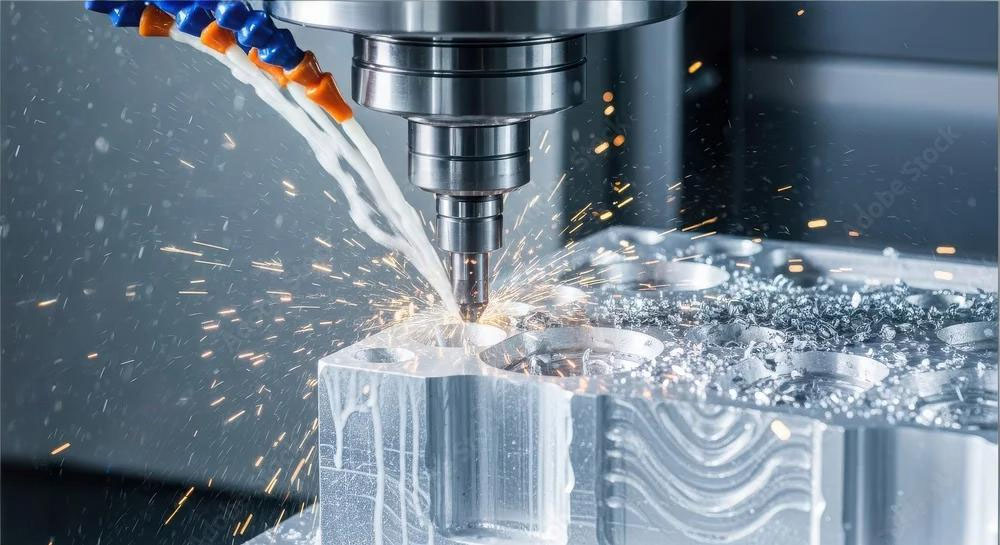
CNC Machining Services


Small Batches, Big Problems, Fast Solutions

Here's another trend driving reshoring. Product life cycles are shrinking dramatically.

Ten years ago, a medical device might stay unchanged for five years. Today, it might be updated every eighteen months. Car models used to run for seven years. Now, electric vehicle platforms change yearly.

This creates a nightmare for overseas supply chains. By the time you've finalized the design, sent it overseas, waited for tooling, received samples, approved production, and waited for shipping, the product might already need an update.

Precision machine shops that excel at high-mix, low-volume production become incredibly valuable here. They can take a design on Monday, program it on Tuesday, cut parts on Wednesday, and ship finished components on Thursday.

This speed isn't magic. It comes from having flexible automation, skilled programmers, and a culture focused on quick response. When a medical device company discovers a design flaw and needs new parts in three days to keep clinical trials running, they're not calling overseas. They're calling local shops that can move at startup speed.

The Quality Feedback Loop

There's another factor that doesn't show up on spreadsheets but matters enormously. It's the quality feedback loop.

When you make parts ten thousand miles away, communication is slow. If something goes wrong, maybe you discover it when parts arrive. Maybe you discover it when assembly fails. Maybe you discover it when products fail in the field.

Each step costs more. Finding a problem at final assembly is expensive. Finding it after customers have it is a nightmare.

Local manufacturing changes this completely. Engineers can visit the shop floor. They can stand next to the machine while it cuts the first part. They can say, "Can we try a slightly different radius here?" and get an answer in minutes, not weeks.

This collaborative problem-solving improves quality enormously. Problems get caught early. Designs get optimized for manufacturing. The final product is better because the people making it and the people designing it can actually talk to each other.

Why Precision Matters More Than Ever

We're living through a revolution in industries that depend on precision. Think about:

·         Electric vehicles need battery components manufactured to tolerances that traditional auto parts never required

·         Medical devices are getting smaller and more complex every year

·         Aerospace parts face extreme conditions and zero tolerance for failure

·         Semiconductor equipment requires precision measured in atoms, not millimeters

These aren't commodity parts you can source based on price alone. They're critical components where failure isn't an option. Companies making these products care deeply about quality, reliability, and traceability.

They want to know exactly how every part was made. They want certifications and documentation. They want suppliers who understand the engineering, not just suppliers who can cut metal.

This plays directly to the strengths of advanced precision machine shops. When you're making parts for a heart pump or a rocket engine, saving twenty percent on manufacturing cost makes no sense if quality suffers. The risk is simply too high.

Prototype CNC Machining Services


The Future Is Hybrid

None of this means overseas manufacturing will disappear. For high-volume, stable products, global supply chains still make sense. If you need a million identical brackets every year, go ahead and set up that factory in Asia.

But the trend is clear. More and more companies are adopting a hybrid approach. High-volume commodity parts come from low-cost regions. Critical, complex, time-sensitive parts come from local precision manufacturers who can deliver speed and quality.

This hybrid model gives companies the best of both worlds. They get cost efficiency for volume. They get agility and quality for their most important components.

Technology Is the Real Story

So when you hear politicians talk about bringing manufacturing back, remember this. The real driver of reshoring isn't politics. It's technology.

Automation has reduced the importance of labor cost. Software has captured the knowledge of master machinists. Digital communication has made collaboration across town as easy as collaboration across oceans.

The factories coming back aren't the old factories with rows of workers doing repetitive tasks. They're new factories, filled with advanced machines, run by skilled engineers, driven by algorithms and data.

This is manufacturing's future, and it's already happening right now.

At Symachining, this transformation is real. Every day, engineers and machinists work together to solve problems that would have seemed impossible twenty years ago. They're not just making parts. They're enabling innovations in medicine, transportation, energy, and aerospace.

Related articles:

ISO 13485 Medical Device Machining-SYM Precision Machining

Ultra-Tight tolerance machining (±0.001mm) | Expert Guide
Wednesday, March 4, 2026

5 Critical Factors That Determine the Success of Metal Machining Services


Discover the 5 key factors that separate successful projects from costly failures in metal machining services. From metal prototype machining to producing metal machining precision parts, learn what really matters.

Introduction:Why Some Machining Projects Succeed and Others Fail

In the world of manufacturing, the difference between a smooth-running production cycle and a nightmare of delays, rework, and budget overruns often comes down to a handful of critical decisions made long before the first chip is cut.

Every day, engineers and procurement professionals submit drawings to machine shops, hoping for the best. But hope is not a strategy. Success in metal machining services requires understanding the key factors that transform a simple drawing into a high-quality, cost-effective finished part.

Whether you need a single complex component or thousands of identical metal machining precision parts, these five critical factors will determine whether your project succeeds or stumbles. Let's dive in.

Factor #1: The Right Metal Milling Service for Your Part Geometry

Not all machining processes are created equal, and selecting the wrong one is the fastest way to inflate costs and compromise quality. Among the most versatile and widely used processes is milling, but understanding when and how to apply a metal milling service is crucial.

Factor #2: The Power of Metal Prototype Machining Before Full Production

One of the most common—and most expensive—mistakes in manufacturing is skipping the prototype phase. Rushing from design directly into full production is like building a house without a foundation.

Factor #3: Achieving True Precision in Metal Machining Precision Parts

For industries like aerospace, medical devices, and high-performance automotive, precision isn't just a goal—it's a requirement. But what does it really take to produce metal machining precision parts consistently?

Factor #4: Material Selection and Its Impact on Machinability and Cost

The material you choose for your part has a profound impact on everything from its performance to its machinability and final cost. Yet, material selection is often treated as an afterthought.

Factor #5: True Partnership—Beyond the Purchase Order

The final, and perhaps most important, factor in the success of your metal machining services project is the relationship you build with your supplier. Treating your machine shop as just a vendor is a missed opportunity.


Conclusion: Five Factors, One Goal—Your Project's Success

Navigating the world of metal machining services doesn't have to be a gamble. By focusing on these five critical factors—choosing the right metal milling service, leveraging metal prototype machining, demanding true metal machining precision parts, selecting the optimal material, and building a genuine partnership—you set your project up for success from the very start.

At Symachining, we don't just machine parts; we partner with our clients to solve problems, optimize designs, and deliver components that exceed expectations. Learn more about "Reducing Costs in Metal Machining Services: A Guide to Smarter Planning".

Ready to ensure your next machining project succeeds? Contact Symachining today to discuss your requirements and discover the difference a true partnership can make.


Thursday, February 26, 2026

The Smart Guide to Reducing Costs in Metal Machining

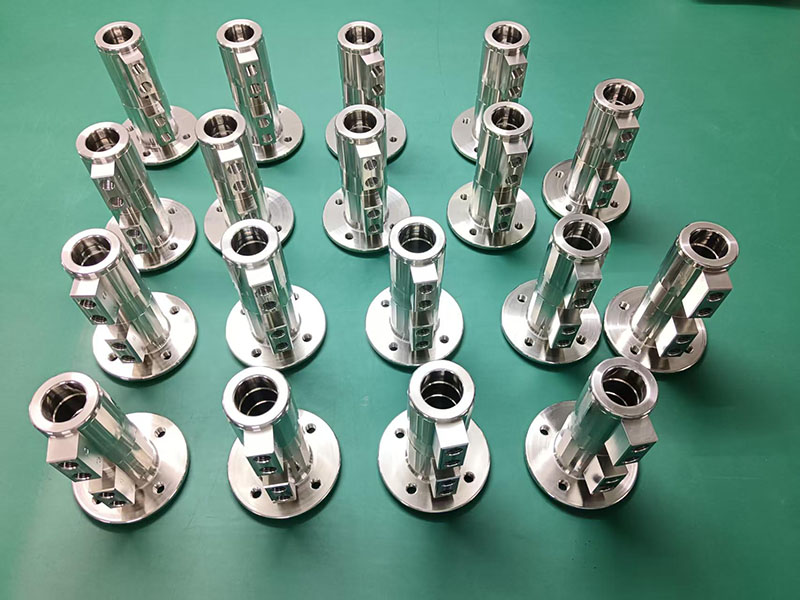
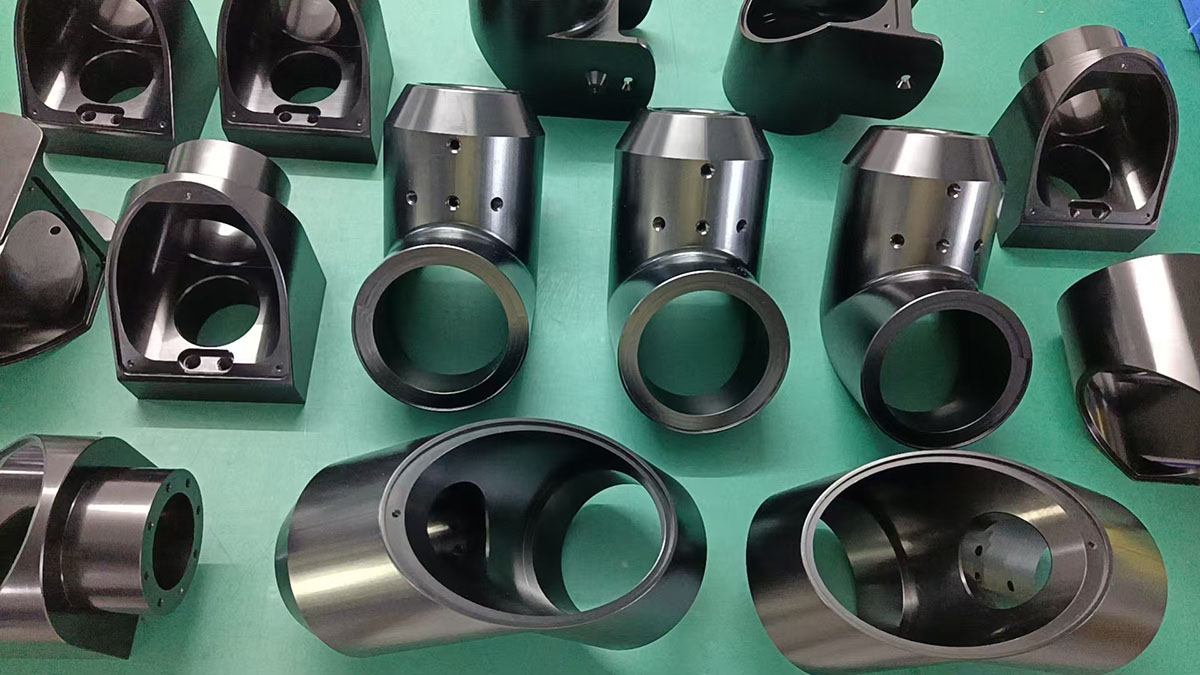
Metal machined parts


Why does that custom metal part cost so much? (And how to fix it.)

We often see designs with unnecessarily tight tolerances or fine finishes driving up costs. The good news? Smarter planning can change that.

In precision manufacturing, knowledge isn't just power—it’s profit. Every line on an engineering drawing, from a surface finish callout to a geometric tolerance, is a direct input into the final cost of a part.

Yet, many teams leave money on the table by overlooking a critical truth: how you specify a part is just as important as the part itself.

We are excited to announce the publication of our comprehensive new guide, "Reducing Costs in Metal Machining Services: A Guide to Smarter Planning." Designed for engineers, procurement specialists, and product owners, this resource pulls back the curtain on the economics of the machine shop.

What’s Inside the Guide?

The article uses a powerful, real-world example to set the stage: the difference between a rough hole (Ra 1.6) and a smooth hole (Ra 0.8) often costs just one dollar per part. While seemingly insignificant, that dollar—multiplied across a production run—represents thousands in unnecessary spending if the finish isn't functionally required.

The guide goes on to dissect the "why" behind these costs, helping you make smarter decisions from the prototype phase to full-scale production. Key insights include:

  • The Language of Precision: A practical look at how surface roughness (Ra) and GD&T tolerances directly impact machine time, tooling wear, and secondary operations.

  • Choosing the Right Process: A breakdown of the cost drivers behind CNC milling, turning, and Electrical Discharge Machining (EDM), helping you select the most efficient path for your part's geometry.

  • The Prototype Advantage: Why investing in metal prototype machining is the ultimate de-risking strategy, allowing you to validate Design for Manufacturability (DFM) before committing to expensive production tooling.

  • The Five Pillars of Cost: A transparent look at what you're really paying for—from setup and programming to material waste and inspection—so you can ask better questions when requesting a quote.

  • A Practical DFM Checklist: An easy-to-reference guide on how design choices like material selection, feature accessibility, and standardization impact your bottom line.

Knowledge is the Best Tool

Whether you are developing a new product or optimizing an existing one, this guide provides the framework to collaborate more effectively with your machine shop. It’s about shifting the conversation from simply asking "How much?" to understanding "Why?"

By applying the principles in this guide, you can achieve the perfect balance of precision, performance, and price—without compromising on quality.

Ready to start planning smarter?
Read the full guide here: Reducing Costs in Metal Machining Services

Thursday, January 22, 2026

Engineering Breakthroughs in Action: Real-World Stories from the SYM Machine Shop

In the world of manufacturing, precision is the difference between a functional component and a revolutionary one. But achieving that precision—especially for complex, mission-critical parts—is a journey filled with unique challenges and specific requirements.

For over 28 years, SYM Precision Machining has been the chosen partner for global innovators, from automotive giants to medical pioneers. We believe our best advertisement isn't a list of our machines, but a portfolio of problems solved. The stories below are more than projects; they are proof of a partnership model where precision is a comprehensive system, not just a promise. These case studies showcase what happens when ambitious design meets engineering mastery.


Case Study 1: BMW's Engine Component

A leading automotive manufacturer required a complex engine component that demanded not just exceptional precision but also absolute material integrity and flawless surface finishes. The part's performance under extreme stress and temperature was non-negotiable.


Case Study 2: Core Component for UAVs

A developer of advanced Unmanned Aerial Vehicles (UAVs) needed a lightweight, high-strength structural core component. The design involved thin walls and complex internal geometries, making it incredibly difficult to machine without causing distortion or vibration.


Case Study 3: Precision Parts for Flexible Robotics

A robotics company pioneering next-generation flexible automation needed a series of intricate joint and actuator parts. These components required incredibly tight tolerances and a mirror-like surface finish to ensure seamless, friction-free movement and long-term durability through millions of cycles.


Case Study 4: A Critical Surgical Device Component

A medical device innovator was developing a new surgical tool that required a biocompatible, miniaturized component with complex internal channels. The part had to be absolutely sterile, free of any microscopic burrs or contaminants, and produced in a certified cleanroom environment.


The Common Thread: The SYM Difference

While each case study above spans a different industry—automotive, aerospace, robotics, and medical—they all succeeded for the same fundamental reasons. At SYM, we provide more than machining; we provide a Total Engineering Partnership.

·         We Start with "Why": We engage as an extension of your engineering team, seeking to understand the part's ultimate function to inform the best manufacturing approach.

·         We Exercise Total Process Ownership: We account for and control every variable, from the raw material lot to the final packaging, ensuring predictable, high-quality outcomes.

·         We Deliver Proven Reliability: Our commitment is reflected in consecutive "Premium Supplier" awards, built on perfect scores for on-time delivery and quality—a promise we keep for every order.

Our capabilities, including Multi-Axis CNCMachining, Precision Grinding, Wire EDM, and Complete Mechanical Assembly, are the tools we use to bring this partnership to life.

Your Project, Our Next Success Story

Whether you are refining a prototype or scaling a complex production run, your next breakthrough deserves a manufacturing partner who sees the challenge, not just the print.

Ready to build your success story? The process is simple:

1.     Share Your Vision: Send us your drawings, samples, or concepts.

2.     Receive a Collaborative Analysis: We'll provide a detailed DFM review, feasibility assessment, and transparent quote.

Launch with Confidence: Move forward with a partner truly invested in your outcome.

Bring your most demanding precision machining challenge to SYM. Let's engineer the solution together.
Explore our full range of capabilities and start a conversation about your project today.

#PrecisionMachining #CNC #Engineering #Manufacturing #CaseStudy #Aerospace #Automotive #MedicalDevices #Robotics #symachining


Monday, March 6, 2023

Selecting correct tolerance for machined components

Precision machined components


Concerning the tolerance of machined components. 

Generally, the dimensional tolerance is determined first.

And then the shape and position tolerance is determined. When we design the machined components, for the reasonable tolerance, we should consider the function needs first, the second is the processing technology.

The last is the assembly and maintenance technology.

For example, assembly hole and shaft, it is not only a round hole and shaft, can be square,but we usually use round, because the convenient processing. Traditional processing methods such as turning, milling, drilling and grinding,most of the circular processing. Now with the popularity of laser cutting and wire cutting,the application of special-shaped hole is also more.At the same tolerance level,the processing cost of square hole is higher than round hole.

Since the traditional method of processing is circular processing, the choice of hole and shaft will have a basic hole system and basic shaft system.

Generally, we can get hole by drilling, reaming, and milling. For convenient machining, we should choose to have readily available tools (drill, reamer,cutter) size, such as the diameter 14mm of cutting tool are very rare, we can choose 12mm,15mm or 16mm diameter of cutting tools,which is a conveninet purchase specifications. In this way, the manufacturing cost is very low. For example,choose diameter 30mm not 27mm, although your computing needs 27mm.

The fit of hole and shaft includes clearance fit, transition fit and interference fit.

Learn more about tolerance of machined components.

Thursday, February 2, 2023

know more about CNC machining parts supplier in China

Do you know how many CNC machining parts supplier in China?

Only in Dongguan City, which is close to Hongkong in southern China. In 2022, there are almost 9600 machining plants in operation. how to get a reliable one from so many machining suppliers?

CNC machining parts supplier


No matter the lower price, I think another thing is more important for choosing CNC machining parts supplier, that is who can help you solve some questions as below.

1.Delayed delivery, orders are not followed up in time.

2.Product quality is unstable, poor appearance.

3.Production strength is not enough to achieve the expected results.

4.Low service efficiency, slow response.


SYM Precision machining team can solve all above issues for you.

1. Production ability

With over 25 years of machining experience,we had provided various custom machined parts according to customer's needs.

2. Equipment advantage

Introducing a number of advanced automated production equipment, accurate measuring instruments.Continuosly optimize and improve the production process to meet customer one-stop purchasing needs.

3. Quality Assurance

Professional quality inspectors with years of experience in quality control, from incoming meterial inspection to quality confirmation before shipment. Provide you high quality machined parts.

4.No worries after sale

We have a sales service team, follow up and deal with any problems you encounter, reply within 24 hours, provide preofessional and perfect solutions.


One-stop machining service at SYM.

CNC milling

CNC turning

EDM | wire cutting

Grinding

heat-treatment | surface finish

Mechanical assemblies


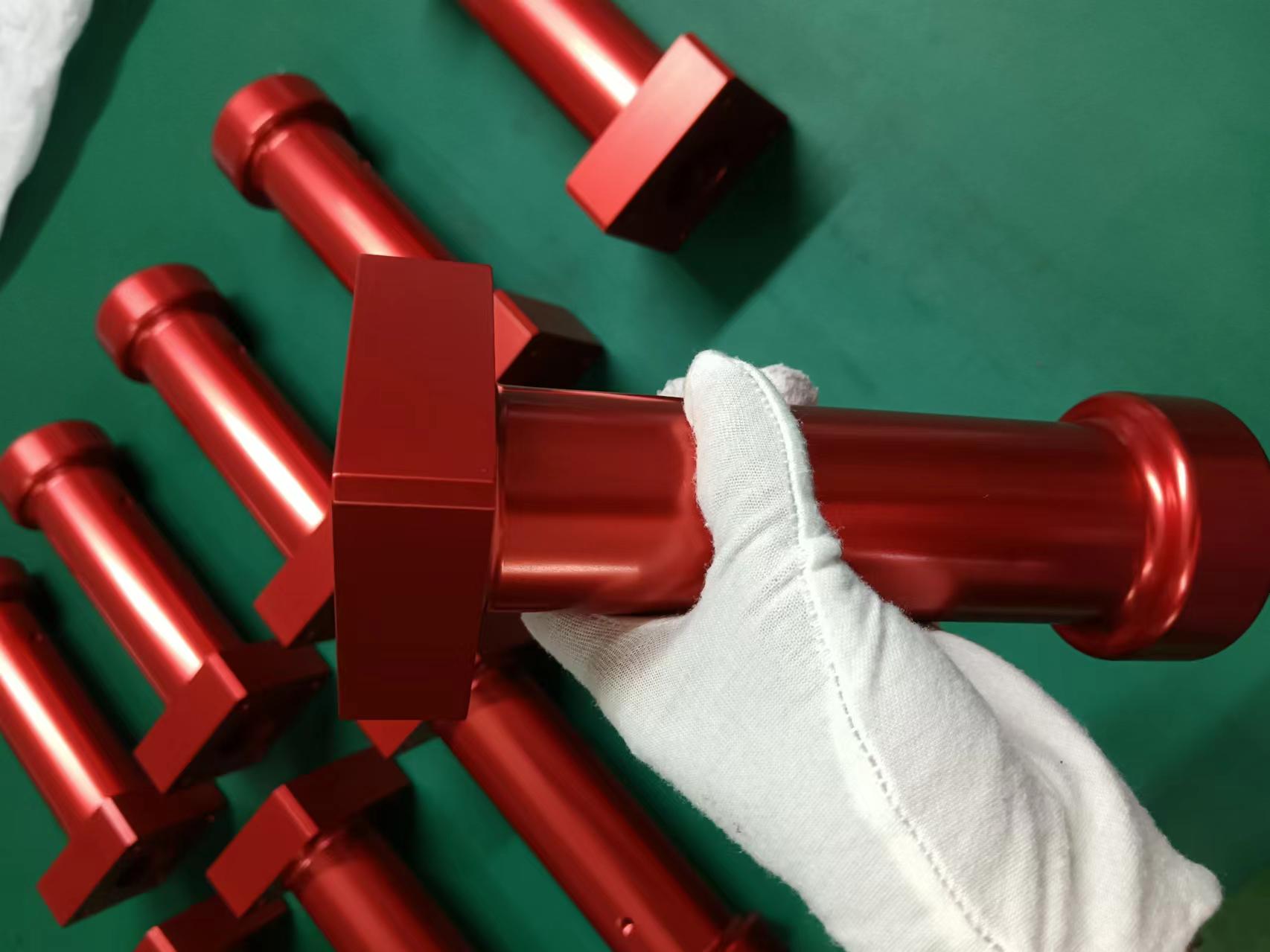
CNC machining parts


Material: AL6061-T6 

Finish: Red anodize


CNC machining parts


Material: AL6082


Finish: bead blasting

CNC machining services


Material: SS303

Process: 5 Axis CNC machining