Let's talk about Precision Aluminum CNC Machining today.
Lightweight, machinable, and reliable. Here's why engineers and machinists keep choosing aluminum.
Introduction
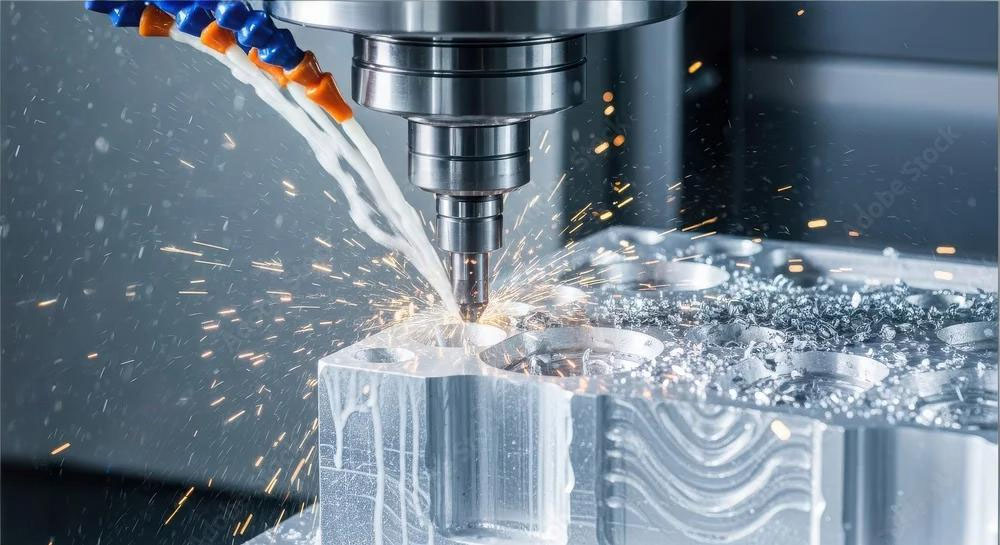
Walk into almost any precision machine shop, and you'll see it everywhere: aluminum chips on the floor, aluminum blanks on the shelves, and aluminum parts heading out the door.
After 29 years of specializing in precision aluminum CNC machining, we've watched other materials come and go. But aluminum remains the undisputed workhorse of industries ranging from aerospace and automotive to medical devices and consumer electronics.
Why? It's not luck. It's material science.
In this article,we'll break down the specific reasons aluminum has earned its place as the #1 choice for precision machining – and why it continues to outperform alternatives in real-world applications.
1. The Weight-to-Strength Ratio That Engineers Love
Aluminum is roughly one-third the density of steel or brass. That means significantly lighter parts without sacrificing structural integrity – especially when using high-strength alloys like 7075-T6, which approaches the strength of mild steel.
For aerospace and automotive applications, every gram matters. Lighter components improve fuel efficiency, payload capacity, and performance. That's why you'll find aluminum in aircraft fuselages, engine mounts, suspension components, and drone frames.
2. Unmatched Machinability
From a machinist's perspective, aluminum is a joy to cut. Here's why:
• Low cutting forces – Requires less spindle power and creates less deflection in thin-walled parts.
• Excellent chip formation – Chips break cleanly and evacuate easily, unlike gummy materials like soft copper.
• High cutting speeds – Aluminum can be machined 3–10x faster than steel or stainless steel, dramatically reducing cycle times and cost per part.
• Extended tool life – Carbide tools last much longer in aluminum compared to abrasive or work-hardening materials.
In a production environment, time is money. Aluminum's machinability directly translates to faster deliveries and competitive pricing.
3. Dimensional Stability Under Tolerance
Precision machining demands that a part holds its shape after cutting. Aluminum excels here – especially when using stress-relieved tooling plate (e.g., MIC-6, ATP-5) or heat-treated wrought alloys.
Unlike plastics, aluminum won't creep or absorb moisture. Unlike some steels, it won't move significantly after roughing operations. This stability allows us to hold tight tolerances (±0.0005" or better) on complex geometries without secondary operations.
4. Natural Corrosion Resistance
Most aluminum alloys form a thin, protective oxide layer when exposed to air. This native corrosion resistance makes aluminum suitable for outdoor, marine, and chemical environments without heavy plating or painting.
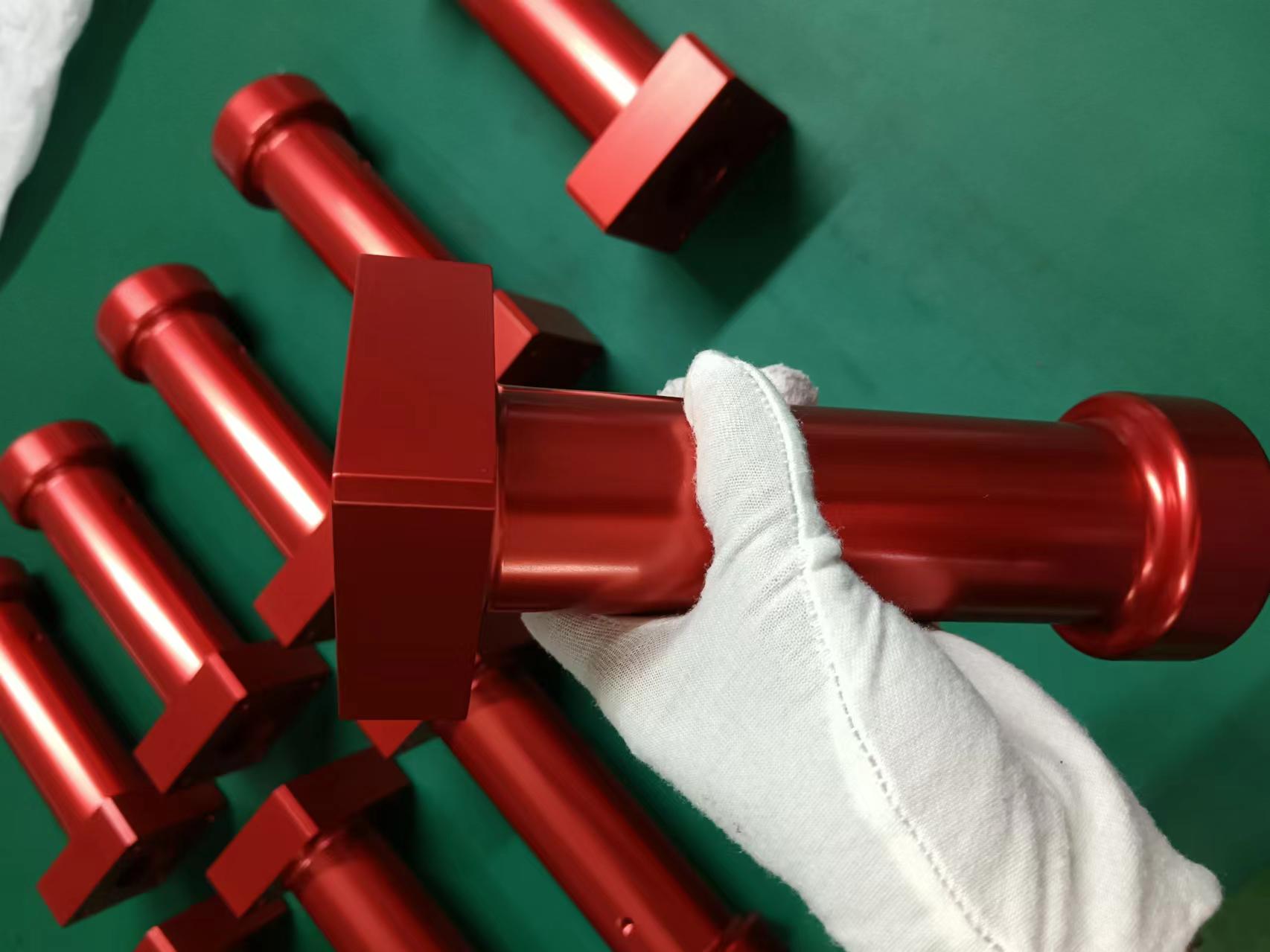
When additional protection is needed, aluminum anodizes beautifully. Anodizing hardens the surface, adds wear resistance, allows color dyeing, and further improves corrosion protection – all while maintaining dimensional accuracy.
5. Thermal and Electrical Conductivity
Aluminum conducts heat and electricity about 60% as well as copper, but at less than one-third the weight and a fraction of the cost. That's why you see aluminum in:
• Heat sinks and LED lighting housings
• Electronic enclosures and battery housings
• RF shielding and power distribution components
For applications requiring thermal management or electrical grounding, aluminum is often the optimal choice.
6. Cost Effectiveness
Let's talk dollars. Aluminum raw material is significantly less expensive than:
• Stainless steel
• Titanium
• Inconel
• Brass
• Copper
• Engineered plastics (PEEK, Ultem, etc.)
Combine lower material cost with faster machining speeds, longer tool life, and less secondary finishing – and aluminum parts are simply more affordable to produce. That matters for prototypes, low-volume production, and high-volume runs alike.
7. Post-Machining Flexibility
Aluminum parts rarely come off the machine as finished products. Fortunately, aluminum accepts a wide range of secondary operations:
• Anodizing (clear, hard coat, color)
• Powder coating and painting
• Conversion coatings (Alodine/Chem film)
• Threaded inserts and helicoils
• Welding and brazing
• Press-fit bearings and shafts
• Laser etching and marking
This flexibility means aluminum can be tailored to nearly any functional or cosmetic requirement.
Final Thoughts – 29 Years Later
After nearly three decades of machining aluminum every single day, we can say this with confidence: aluminum isn't just popular because it's easy or cheap. It's popular because it works.
It bridges the gap between performance and practicality. It allows engineers to dream big and machinists to execute precisely. It delivers reliable, lightweight, corrosion-resistant parts at a price point that keeps projects moving forward.
If you're designing a precision component and haven't considered aluminum – or if you're unsure which alloy fits your application – We'd love to help.
Let's machine something exceptional together.
SYM Precision Machining has spent 29 years focused exclusively on precision aluminum CNC machining, serving industries from aerospace and defense to medical and automotive. Connect or message to discuss your next project.
Related Article:

No comments:
Post a Comment